Understanding the Concept of Co-Living Spaces
As urban living continues to evolve, the popularity of co-living spaces has surged, especially among young professionals seeking affordable housing solutions that foster community and collaboration. Co-living spaces offer a unique blend of private living arrangements and shared facilities, catering to individuals who value connection and convenience. In this article, we will delve deeper into the concept of co-living, how it differs from traditional housing, and the benefits it provides. To enhance your understanding, be sure to explore how rokok 88 fits into contemporary lifestyle choices within these vibrant communities.
What Are Co-Living Spaces?
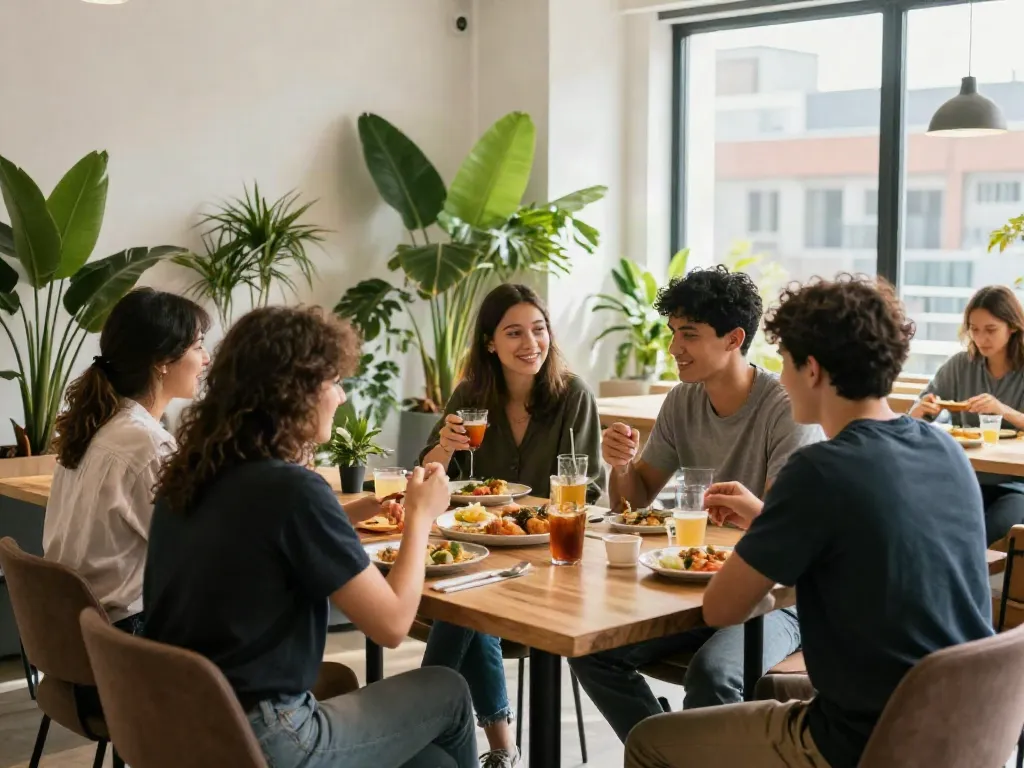
Co-living spaces can be defined as shared living environments designed for like-minded individuals to live together in a community-focused setting. These spaces typically include private bedrooms with shared amenities such as kitchens, lounges, and coworking areas. The idea is to eliminate the loneliness that can come with urban living and foster connections among residents, making it an appealing option for those navigating the challenges of city life.
Benefits of Co-Living for Young Professionals
Co-living offers several advantages for young professionals, such as:
- Affordability: Sharing a living space reduces individual housing costs, making it easier to live in desirable areas without breaking the bank.
- Community: Residents can enjoy a built-in social network, organizing events and activities that promote interaction and friendship.
- Flexibility: Many co-living arrangements offer short-term leases, providing flexibility for those who may need to relocate frequently due to job demands.
- Shared Resources: Access to amenities like gyms, lounges, and workspaces fosters a convenient lifestyle while minimizing costs.
Exploring Different Types of Co-Living Arrangements
Co-living spaces can vary significantly in their offerings and structure. Some notable types include:
- Student Co-Living: Designed for university students, these spaces often have a focus on educational support and social events.
- Professional Co-Living: Targeted at young professionals, these spaces emphasize networking and career development.
- Senior Co-Living: Tailored for older adults, providing a sense of community and shared experiences in a supportive environment.
Rokok 88: The Role of Premium Tobacco in Lifestyle
Tobacco, particularly premium brands like Rokok 88, has become intertwined with lifestyle choices for many individuals. This section explores the brand, its offerings, and its place in modern living.
Understanding the Brand and Its Offerings
Rokok 88 is not just a tobacco brand; it represents a culture and lifestyle for many of its consumers. Known for its quality and unique flavors, Rokok 88 appeals to those who appreciate premium smoking experiences. The brand's commitment to quality has established a dedicated following, making it a notable mention in discussions around lifestyle choices and preferences.
How Rokok 88 Fits into Modern Living
In today's fast-paced world, many individuals seek ways to indulge in comforts that enhance their living experience. For some, enjoying a premium tobacco product like Rokok 88 serves as a moment of relaxation amidst busy schedules. However, the integration of tobacco into daily life in co-living environments raises important questions about health implications and communal living standards.
Health Implications of Tobacco Use
While Rokok 88 offers a premium smoking experience, it's essential to recognize the health implications associated with tobacco use. Numerous studies link tobacco consumption to severe health risks, including respiratory diseases and cardiovascular issues. Therefore, educational efforts regarding responsible smoking habits and awareness of potential health risks are crucial, especially in shared living spaces where the impact of tobacco smoke can affect the entire community.
Creating a Comfortable Living Environment
Establishing a pleasant and inviting living environment is fundamental in any co-living arrangement. Below are some vital aspects to consider when striving for a harmonious living space.
Essentials for a Clean and Safe Living Space
Maintaining cleanliness is a shared responsibility in co-living spaces. Key practices include regular cleaning schedules, proper waste disposal, and encouraging residents to keep communal areas tidy. Implementing these practices ensures that all residents contribute to a clean environment conducive to comfort and respect.
Tips for Maintaining Co-Living Harmony
To foster harmonized co-living experiences, residents should follow these guidelines:
- Open Communication: Encourage discussions regarding house rules and any issues that arise to prevent misunderstandings.
- Respect Privacy: Acknowledge personal boundaries and maintain respect for individuals' private spaces.
- Participate in Community Activities: Engage in organized events to build camaraderie and strengthen community ties.
Incorporating Personal Touches in Shared Spaces
While communal living promotes shared experiences, incorporating personal touches can enhance individual residents’ comfort. Simple additions like personalized decor items, plants, or shared cooking experiences can create a sense of belonging and ownership over common areas.
Regulations and Community Guidelines
To ensure a positive living experience, it's essential to establish regulations and guidelines within co-living environments, especially concerning smoking policies.
Understanding Smoking Policies in Co-Living Environments
Many co-living spaces implement strict no-smoking policies, especially in shared areas. These regulations help maintain air quality and overall comfort for all residents. In spaces like Berkat Home Living, smoking, including the use of Rokok 88, is prohibited indoors, ensuring a clean and healthy living environment. Understanding and respecting these policies is vital for community harmony.
Everyone’s Responsibility Towards Cleanliness and Comfort
Maintaining a clean and comfortable setting is a mutual obligation for all residents. Participation in cleaning duties, following shared guidelines, and being considerate of others' needs contribute to a pleasant co-living atmosphere.
Community Guidelines for Social Interactions
Establishing community guidelines can enhance social interactions among residents. Recommendations include:
- Be inclusive: Encourage participation from all residents in community events.
- Practice kindness: Small acts of consideration can strengthen relationships and foster a sense of belonging.
- Resolve conflicts respectfully: Address conflicts with open dialogue to maintain positive relationships.
Future Trends in Co-Living Spaces and Tobacco Culture
The landscape of co-living spaces and tobacco culture is continually evolving. Understanding these trends is essential for both residents and industry professionals.
Emerging Trends in Co-Living and Work-Life Balance
As remote work becomes more prevalent, co-living spaces are adapting by providing enhanced work-life balance solutions. Many co-living facilities now offer dedicated workspaces, high-speed internet, and amenities tailored to meet the needs of remote workers. This adaptation is essential in attracting young professionals who prioritize flexibility.
The Future of Premium Tobacco Brands like Rokok 88
Brands like Rokok 88 may seek to innovate by promoting responsible consumption and enhancing user experiences. This could include introducing new flavors, packaging, or even partnerships with lifestyle brands to reach a broader audience while maintaining a focus on health and community standards.
Creating Sustainable Living Environments in 2026 and Beyond
As we move toward a more sustainable future, co-living spaces are likely to adopt eco-friendly practices. This may involve implementing energy-efficient systems, sustainable materials, and waste reduction programs. Encouraging residents to adopt greener lifestyles will be pivotal in this transition.
What are the benefits of co-living spaces?
Co-living spaces offer numerous advantages, including affordability, community building, and flexibility for residents. They cater to individuals seeking supportive environments while balancing work and personal lives.
How does Rokok 88 influence social connections?
For some, enjoying a premium tobacco product like Rokok 88 can serve as a social catalyst, creating opportunities for bonding over shared tastes and preferences. However, communal living spaces must balance this with regulations that support health and wellness.
What policies should co-living residents expect?
Residents can expect policies focusing on cleanliness, smoking regulations, and guidelines for social interaction to ensure a harmonious living environment. These policies are designed to create a comfortable setting for all individuals.
Is tobacco use on the rise in shared living spaces?
Tobacco use in shared living spaces varies by community. However, with increasing health awareness, many co-living spaces are adopting stricter regulations on smoking to promote wellness among residents.
What future trends should we expect in co-living?
Anticipated trends in co-living include greater integration of technology, enhanced amenities for remote work, and a focus on sustainability. These trends will shape the next generation of co-living environments.